

Article
Masonry Matters: Extending the Life of Your Brickwork with Preventive Care
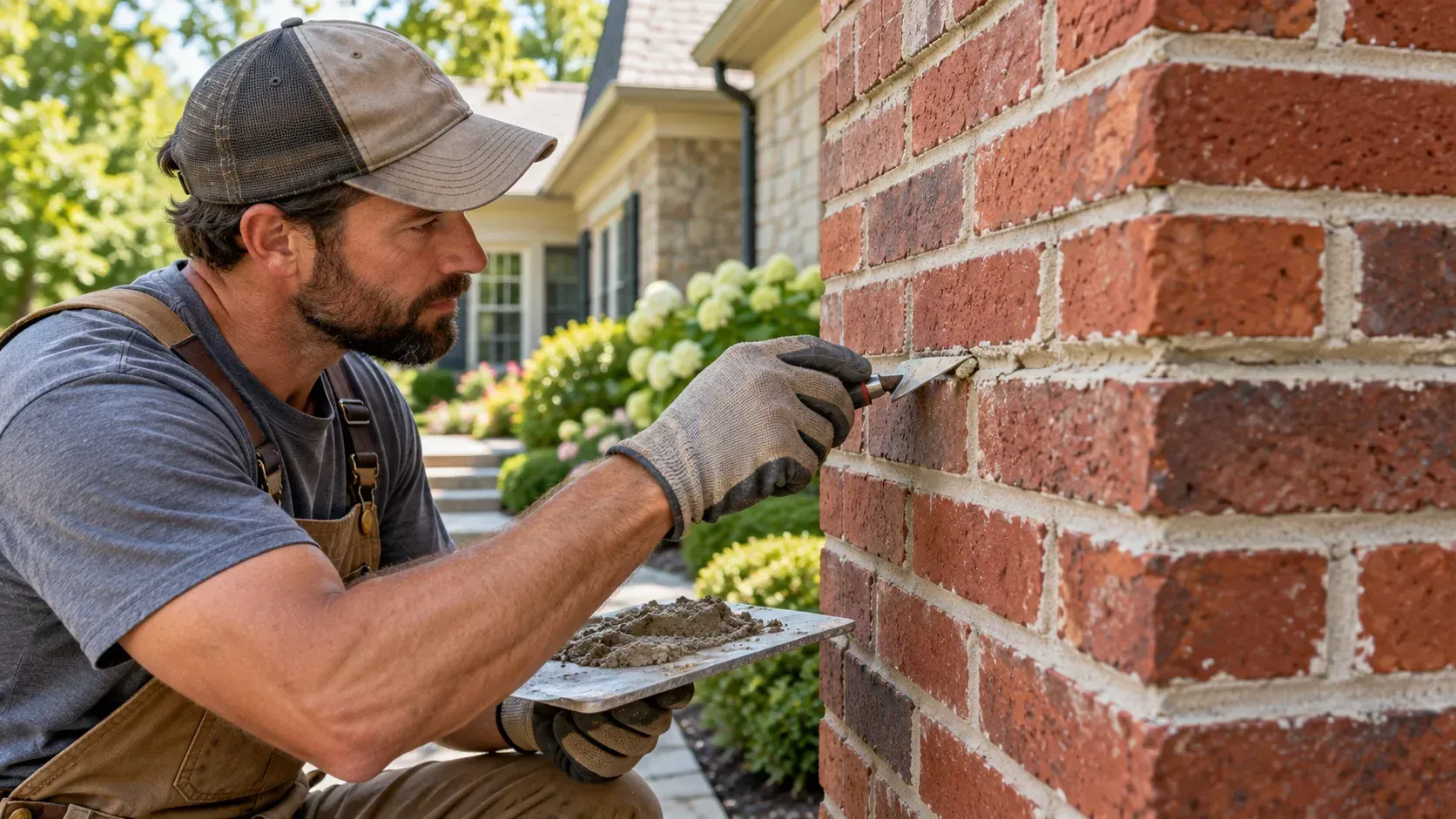
Preventative tuckpointing and sealing can help Milton, WI homeowners protect brickwork before small wear turns into expensive masonry repair.
Brickwork is one of the strongest and longest-lasting parts of a home, but it is not maintenance-free. In Southern Wisconsin, masonry takes a beating from summer heat, spring rain, winter ice, and repeated freeze-thaw cycles. Over time, mortar joints wear down, brick begins absorbing more moisture, and small cracks can turn into major repair needs.
For homeowners in Milton, WI and nearby communities, preventive masonry care is one of the smartest ways to protect chimneys, brick walls, steps, foundations, and older masonry features. Two of the most effective maintenance services are preventative tuckpointing and breathable masonry sealing.
The goal is simple: fix weak points early, control moisture, and extend the life of your brickwork before damage spreads.
Why brickwork fails over time
Brick is durable, but the mortar between the bricks is usually the first part to break down. Mortar joints are exposed to rain, snow, wind, sun, and temperature swings every year. Once those joints begin to crack or crumble, water can enter the wall system.
That is where the real damage starts.
Common causes of brickwork deterioration include:
- Freeze-thaw expansion
- Water absorption through cracked mortar
- Poor drainage near masonry walls
- Heat expansion during summer
- Age-related mortar erosion
- Chimney exposure above the roofline
- Previous repairs using the wrong mortar
- Lack of routine maintenance
In Wisconsin, moisture is the biggest threat. Water gets into small cracks, freezes, expands, and slowly breaks brick and mortar apart. Preventive care helps stop that cycle before the masonry gets worse.
What preventative tuckpointing does
Tuckpointing is the process of removing damaged or deteriorated mortar and replacing it with new mortar that matches the existing masonry. When done early, it can prevent water entry and restore strength to the brickwork without needing a larger rebuild.
Preventative tuckpointing is especially useful when you notice:
- Hairline cracks in mortar joints
- Crumbling or sandy mortar
- Small gaps between brick and mortar
- Mortar recessed deeper than surrounding brick
- Loose brick sections
- Water stains on or below masonry
- White powdery residue on brick, known as efflorescence
If the brick itself is still in good shape, tuckpointing can often preserve the wall, chimney, or masonry feature before the damage becomes structural.
Why mortar joints should not be ignored
A common mistake homeowners make is waiting until brickwork looks “bad enough” to repair. That usually costs more in the long run.
Weak mortar joints allow water to enter the masonry system. Once water gets behind or inside the brickwork, it can lead to:
- Spalling brick
- Loose masonry
- Chimney leaks
- Basement moisture
- Interior wall stains
- Foundation deterioration
- Larger sections needing rebuilds
Preventative tuckpointing is not just cosmetic. It is a protective repair that helps keep the masonry tight, stable, and better prepared for Wisconsin weather.
How masonry sealing helps protect brickwork
Masonry sealing adds another layer of protection when used correctly. A quality breathable sealant helps reduce water absorption while still allowing trapped vapor to escape.
That distinction matters. Brick needs to breathe. The wrong coating can trap moisture inside the wall and cause damage instead of preventing it.
A proper masonry sealer can help:
- Reduce water penetration
- Protect against wind-driven rain
- Slow freeze-thaw damage
- Help preserve mortar repairs
- Reduce staining from moisture
- Improve long-term durability
- Protect exposed masonry surfaces
Sealing is especially helpful after tuckpointing or brick repair because it helps protect the newly repaired masonry from future water intrusion.
Tuckpointing first, sealing second
Sealing should never be used as a shortcut over damaged masonry. If mortar joints are cracked, missing, or loose, sealer will not fix the problem. It may only cover the issue temporarily while water continues to find its way in.
The proper order is:
- Inspect the masonry
- Repair damaged brick
- Remove failing mortar
- Complete tuckpointing
- Allow proper curing time
- Apply a breathable masonry sealant when appropriate
This approach gives the brickwork a stronger, longer-lasting result.
Chimneys need preventive care most
Chimneys are one of the most vulnerable masonry structures on a home. Unlike brick walls protected by roof overhangs or landscaping, chimneys are exposed from all sides. They deal with rain, snow, ice, wind, sun, and temperature swings year-round.
Common chimney masonry issues include:
- Cracked mortar joints
- Spalling brick
- Loose or missing chimney caps
- Crown cracks
- Flashing-related leaks
- Water entering the flue
- Brick deterioration near the top of the chimney
Preventative tuckpointing and sealing can help extend the life of a chimney, but only if underlying issues are handled first. If the crown is cracked, the cap is missing, or the flashing is failing, those problems should be corrected as part of the repair plan.
Preventive masonry care for older Milton, WI homes
Milton and the surrounding Southern Wisconsin area have many homes with older brickwork, masonry chimneys, stone foundations, and traditional masonry details. These materials were built to last, but they need the right kind of maintenance.
Older masonry can be more sensitive to improper repair methods. Using mortar that is too hard, sealing with the wrong product, or ignoring moisture problems can accelerate damage.
Preventive care is especially important for:
- Historic brick homes
- Older chimneys
- Stone or brick foundations
- Brick porches and steps
- Basement masonry walls
- Masonry fireplaces
- Brick accents and exterior walls
For older homes, the goal is preservation—not just patching. The repair should protect the structure while keeping the original character intact.
Signs your brickwork needs attention now
Homeowners should schedule a masonry inspection if they notice:
- Mortar flaking or crumbling
- Brick faces peeling or breaking off
- Cracks running through mortar joints
- Gaps around windows, chimneys, or corners
- White staining on brick
- Dark moisture marks
- Loose bricks
- Water entering near the chimney, basement, or fireplace
- Previous repairs starting to fail
These are warning signs that moisture is getting involved. Once moisture gets into masonry, time is not on your side.
Why preventive care saves money
Masonry repair gets more expensive when damage spreads. Replacing a few failing mortar joints is much easier than rebuilding a chimney section. Sealing sound brickwork is far cheaper than replacing spalled brick. Correcting small cracks early is better than dealing with water damage later.
Preventive tuckpointing and sealing help homeowners:
- Avoid major rebuilds
- Extend the life of existing brickwork
- Reduce water damage
- Preserve curb appeal
- Protect chimney and foundation masonry
- Maintain home value
- Prevent small problems from becoming structural concerns
The blunt truth: masonry usually gives warning signs before it fails. Ignoring those signs is what gets expensive.
Best time of year for tuckpointing and sealing
Late spring, summer, and early fall are often the best times for masonry maintenance in Southern Wisconsin. These seasons usually provide better conditions for mortar curing and sealant application.
Preventive work is best scheduled before winter because freeze-thaw damage can quickly worsen existing cracks and weak joints.
A good seasonal maintenance plan looks like this:
- Spring: inspect for winter damage
- Summer: complete tuckpointing and sealing
- Fall: check chimney caps, crowns, and exposed masonry before freezing weather
- Winter: monitor leaks, drafts, and visible cracking
This keeps masonry maintenance proactive instead of reactive.
Protect your brickwork before damage spreads
Brickwork can last for generations, but only when it is maintained properly. Preventative tuckpointing and masonry sealing are two of the best ways to extend the life of your brick, chimney, foundation, and exterior masonry.
For homeowners in Milton, WI, Janesville, Edgerton, Whitewater, Fort Atkinson, and surrounding Southern Wisconsin communities, Bollerud & Sons Masonry provides the repair and restoration services needed to keep masonry strong, dry, and built to last.
To schedule an inspection or talk through preventive masonry care, click a button below.
Related Articles
Related Articles

STAY UP TO DATE
GET PATH'S LATEST
Receive bi-weekly updates from the church, and get a heads up on upcoming events.
Contact Us