

Article
Winterproofing Your Masonry: Sealing and Waterproofing Tips Before the Freeze
How Milton Homeowners Can Protect Brick, Block, and Stone from Wisconsin’s Harsh Winter Weather
Wisconsin winters are unforgiving—especially on masonry. As temperatures drop and moisture settles into every crack, pore, and mortar joint, the freeze–thaw cycle begins. Water expands when it freezes, pushing apart brick, block, and stone from the inside. Over time, this leads to cracking, spalling, crumbling mortar, and costly structural repairs.
For homeowners in Milton and the surrounding Rock County area, early-season waterproofing is one of the smartest investments you can make. At Bollerud & Sons Masonry, we’ve spent decades helping homeowners protect their masonry before winter hits. Here’s what you need to know about sealing, waterproofing, and preparing your home’s masonry for harsh conditions.
Why Moisture Is the Biggest Threat to Masonry in Winter
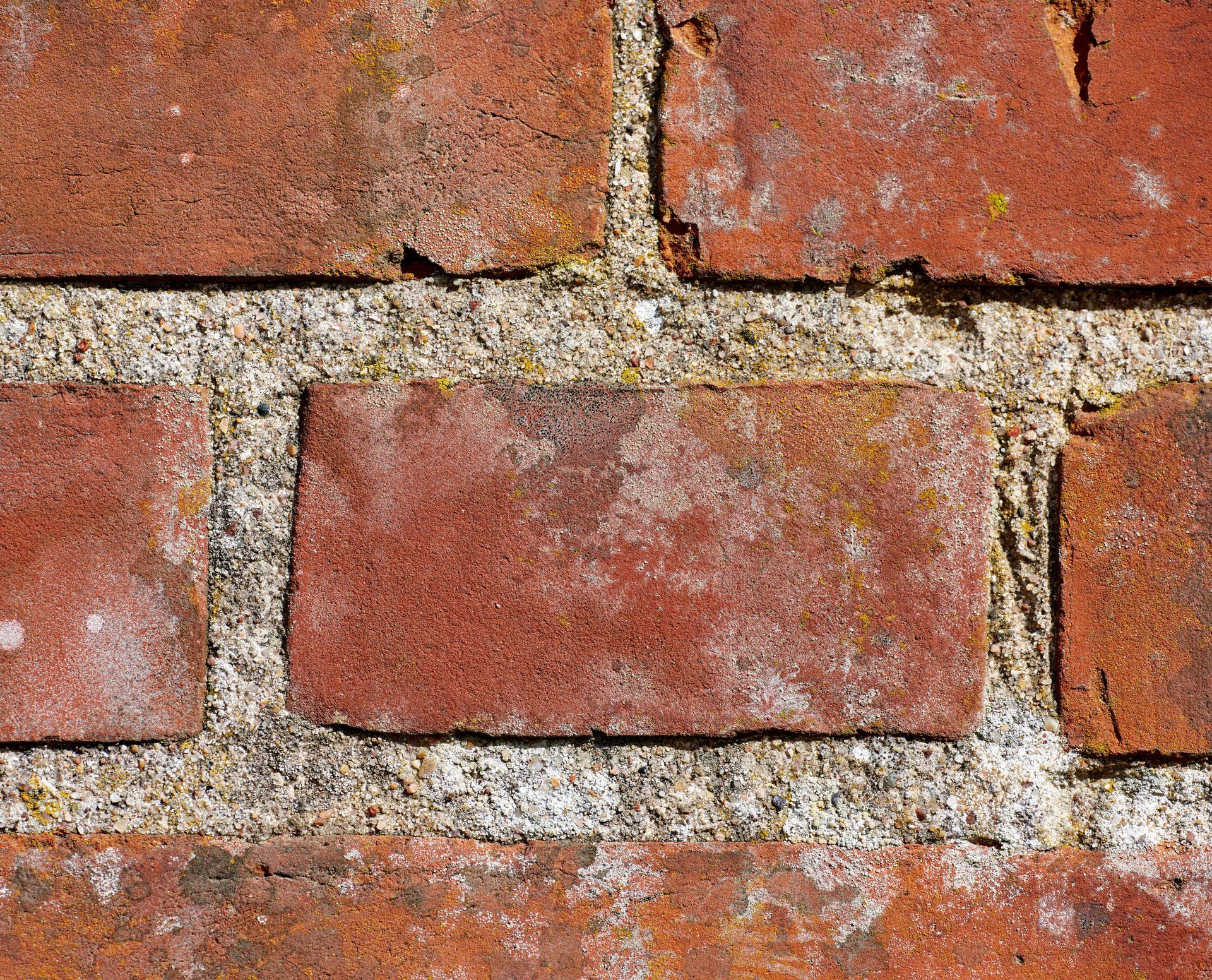
Masonry is durable—but it’s not immune to water. Brick and mortar are porous, meaning they naturally absorb moisture. In warmer weather, this isn’t a major issue. But once freezing temperatures arrive, moisture freezes inside the material, expands, and begins to break it apart.
Signs Your Masonry Is Vulnerable
- Crumbling or softened mortar
- Hairline cracks in brick, block, or stone
- White, chalky residue (efflorescence)
- Discoloration or dark patches
- Spalling or surface flaking
- Gaps forming at joints or seams
If you see any of these warning signs now, your masonry needs attention before the freezing cycle begins.
1. Inspect and Repair Mortar Joints Before Sealing
Before applying any sealer, your masonry must be structurally sound. Sealing over damaged joints traps moisture and accelerates decay.
What We Look For
- Loose or missing mortar
- Deep cracks
- Deteriorated joints from past freeze–thaw cycles
- Areas where water is pooling or draining incorrectly
Our Fix
We perform expert tuckpointing—removing damaged mortar and replacing it with new, expertly matched material. This restores strength, prevents water intrusion, and prepares the surface for sealing.
2. Choose the Right Masonry Sealer
Not all sealers are the same. The wrong product can suffocate brick or trap water, causing more harm than good.
Breathable Siloxane or Silane Sealers
These are the gold standard for Wisconsin homes because they:
- Repel water
- Allow moisture vapor to escape
- Resist freeze–thaw damage
- Prevent efflorescence
- Extend masonry lifespan
At Bollerud & Sons Masonry, we use professional-grade sealers that penetrate deep into the brick or stone—not cheap surface coatings that peel or flake.
3. Waterproof Vertical & Horizontal Surfaces Differently
Horizontal masonry—like steps, chimneys, and retaining walls—takes on more water and requires stronger protection.
Vertical Surfaces (Walls, Facades)
- Need breathable water repellents
- Require proper coverage and curing
- Must be protected from overspray and runoff
Horizontal Surfaces (Caps, sills, steps, chimney crowns)
- Require higher-strength sealers
- May need crack filling before waterproofing
- Benefit from added flashing or water-shedding improvements
We tailor our approach to each surface so it receives the appropriate level of protection.
4. Protect Chimneys Before Winter
Chimneys are especially vulnerable—elevated exposure, constant freeze–thaw stress, and increased moisture from snow accumulation.
How We Winterproof Chimneys
- Full chimney inspection
- Repairing cracks and deteriorated crowns
- Waterproofing with breathable sealers
- Adding or replacing chimney caps
- Improving flashing to prevent leaks
Chimney repairs cost far less before winter than after a season of snow, ice, and expansion damage.
5. Don’t Forget Masonry Around Windows, Doors, and Foundations
These areas experience the most water pressure and temperature fluctuation.
We Focus On:
- Foundation block walls
- Brick around window and door openings
- Sills and lintels
- Basement and crawlspace masonry
- Exterior steps and walkway edges
Proper sealing prevents water intrusion, freeze damage, and interior moisture issues.
6. Improve Drainage to Reduce Masonry Stress
Even the best sealer can’t protect masonry that sits in standing water or receives improper runoff.
Before Winter, Check for:
- Poor grading
- Gutter overflow
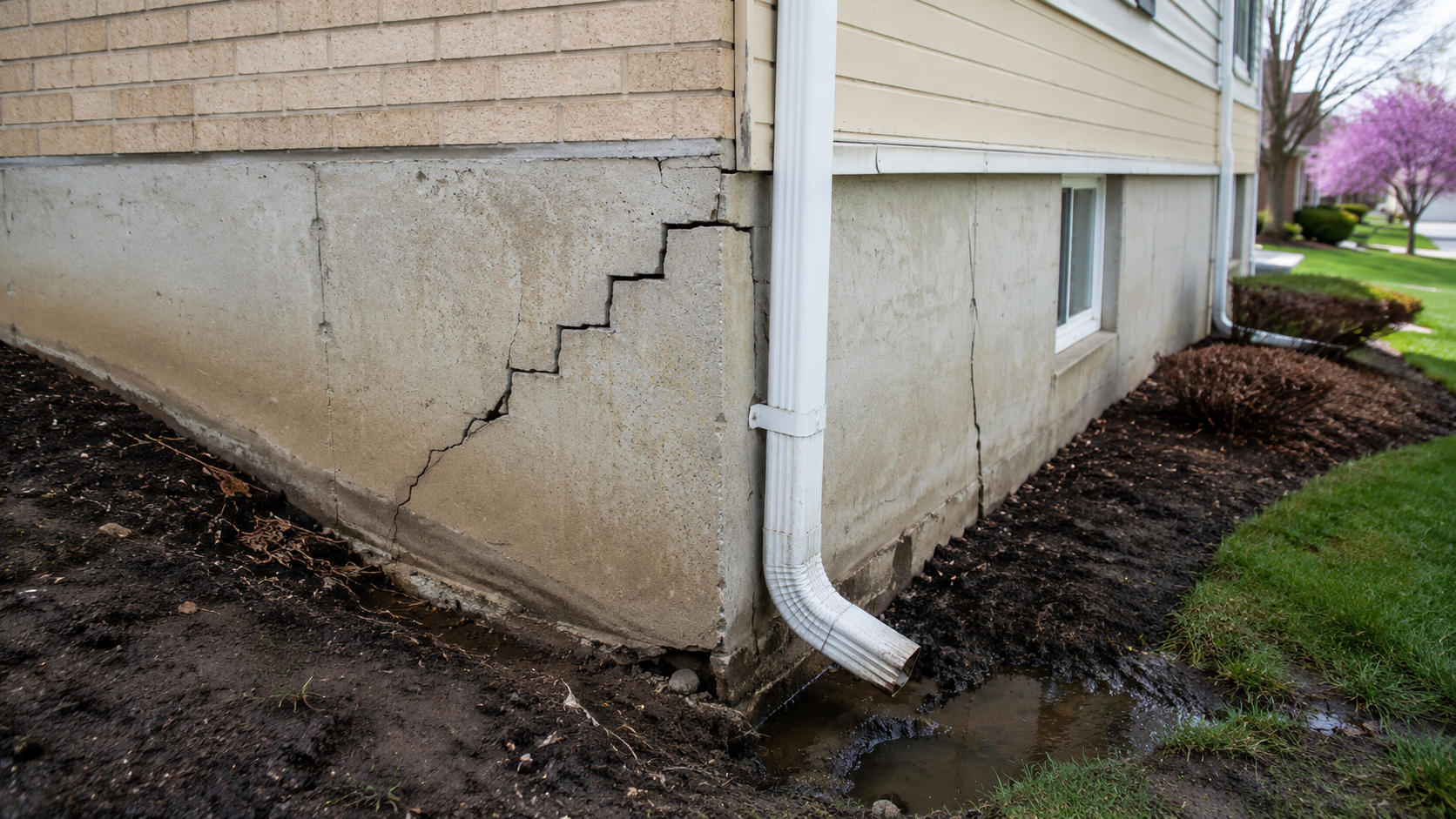
- Downspouts draining too close to the home
- Water pooling around porches or foundations
We frequently pair masonry waterproofing with drainage recommendations to stop moisture problems at the source.
Why Early Seasonal Prep Matters
If you wait until the first freeze, moisture is already inside your masonry—and sealing won’t help. Early fall is the ideal time to waterproof, repair, and protect your home’s exterior.
Winterproofing Now Helps You:
- Prevent costly springtime repairs
- Protect structural integrity
- Reduce cracks, spalling, and mortar failure
- Maintain curb appeal
- Extend the life of your brick, block, and stone
A little preparation now saves a lot of damage later.
Bollerud & Sons Masonry: Your Local Winterproofing Experts
Our family-owned business has served the Milton area for generations. We understand Wisconsin weather—and we know how to protect your masonry against it.
When you choose us, you get:
- Skilled masonry repair and tuckpointing
- Professional-grade waterproofing
- Detailed inspections and honest recommendations
- Long-lasting solutions designed for Wisconsin freeze cycles
- Reliable service from a local team that cares about your home
Prepare Your Masonry Now—Before the Freeze Hits
Don’t let winter damage undermine your home. Seal, waterproof, and strengthen your masonry for the season ahead.
📍 Serving Milton, Janesville, Edgerton, and surrounding Rock County communities
Contact Bollerud & Sons Masonry today to schedule your winterproofing assessment and keep your masonry strong, safe, and protected all winter long.
Related Articles
Related Articles
STAY UP TO DATE
GET PATH'S LATEST
Receive bi-weekly updates from the church, and get a heads up on upcoming events.
Contact Us