

Article
Protect Brickwork from Summer Heat: Masonry Sealants That Work
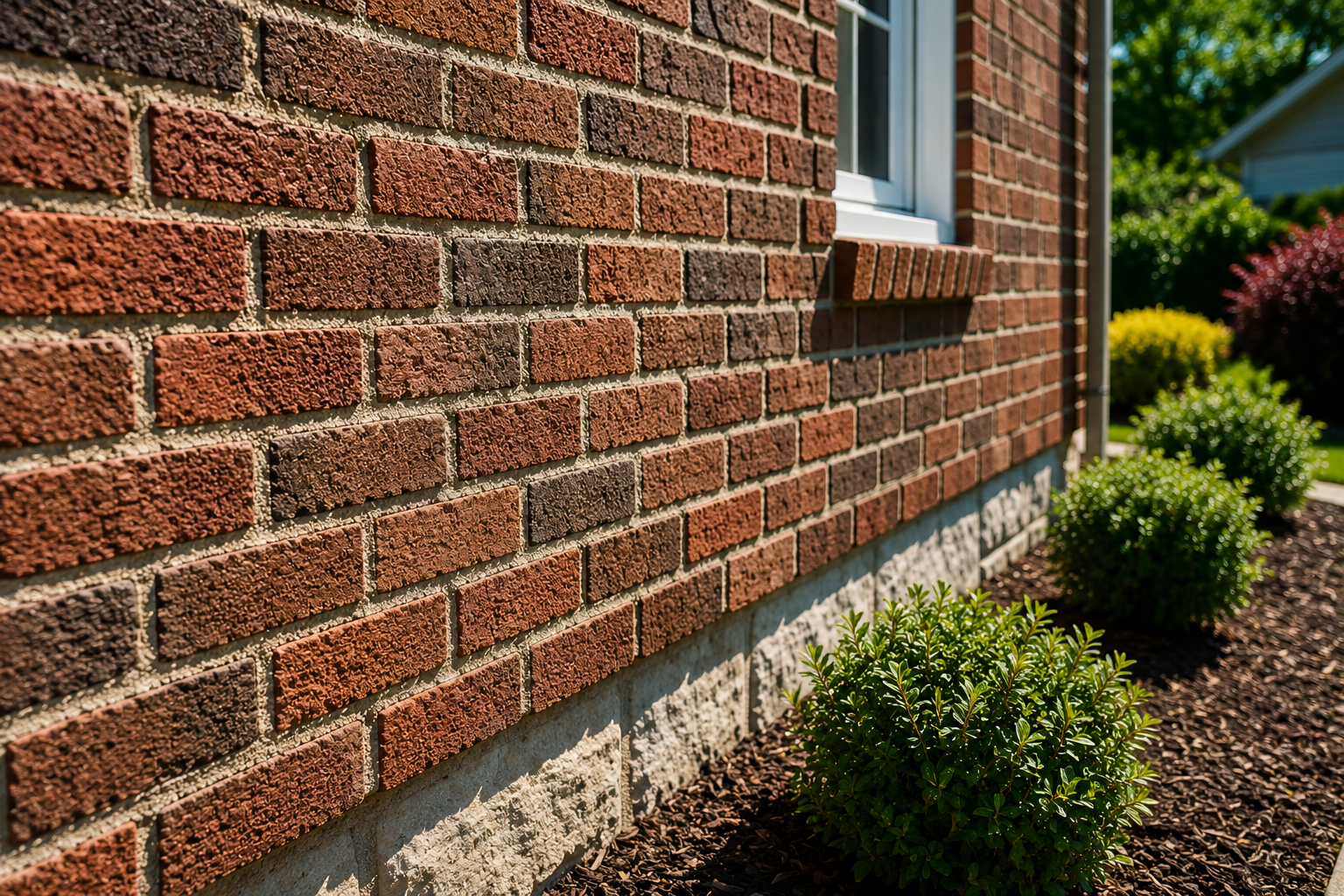
How seasonal masonry maintenance helps Southern Wisconsin homes fight moisture, heat stress, and future freeze-thaw damage.
Summer might not seem like the season to worry about masonry damage. Most homeowners think brick, stone, chimneys, and foundation walls take the hardest hit during winter—and they do. But here’s what gets overlooked: summer is when you prevent next winter’s damage.
For homeowners in Milton, Janesville, Edgerton, and across Southern Wisconsin, warm weather is the right time to inspect brickwork, repair small cracks, and apply the correct masonry sealant before moisture gets trapped inside the wall system. Done properly, masonry sealing can help protect brick, mortar joints, chimneys, steps, and foundation masonry from water intrusion, heat-driven expansion, and the freeze-thaw cycle that returns every winter.
The key phrase is done properly. Not every sealer belongs on brick, and sealing damaged masonry without repairs first can create bigger problems.
Why summer heat affects brick and mortar
Brick and mortar are strong, but they still expand and contract with temperature changes. During hot Southern Wisconsin days, masonry absorbs heat. At night, it cools. That daily movement can slowly stress weak mortar joints, small cracks, and already-weathered brick faces.
Summer heat can contribute to:
- Hairline cracking in mortar joints
- Expansion around existing cracks
- Faster drying of already deteriorated mortar
- Moisture movement through porous brick
- Increased stress on chimneys, steps, and exposed masonry walls
The damage may not look dramatic in June, but if water gets into those weak spots and freezes later in the year, the problem accelerates fast.
That is why summer masonry maintenance should include both inspection and prevention, not just cosmetic cleaning.
The real enemy: moisture before freeze-thaw season
Freeze-thaw damage starts long before the first hard freeze. It begins when brick or mortar absorbs water. Once temperatures drop below freezing, that trapped moisture expands and pushes against the masonry from the inside.
That can lead to:
- Spalling brick, where the face of the brick flakes or breaks off
- Crumbling mortar joints
- Cracks that widen over time
- Chimney deterioration
- Loose brick or stone
- Water entry into basements, fireplaces, or wall cavities
A breathable masonry sealant can help reduce water absorption while still allowing vapor to escape. That balance matters. Masonry needs protection, but it also needs to breathe.
If your home already has cracked or deteriorating joints, start with tuckpointing before applying any type of sealer.
What masonry sealants actually do
A quality masonry sealant is designed to reduce water penetration into porous surfaces like brick, stone, concrete block, and mortar. The goal is not to “plastic coat” the wall. The goal is to limit moisture absorption while preserving the natural function and appearance of the masonry.
The right sealant can help:
- Repel wind-driven rain
- Reduce water absorption through brick and mortar
- Slow future freeze-thaw damage
- Protect chimneys and exposed brickwork
- Reduce staining from repeated moisture exposure
- Extend the life of prior masonry repairs
This is especially valuable for chimneys because they are exposed on all sides and take a direct beating from sun, rain, snow, wind, and ice.
If your chimney has cracking, loose mortar, or signs of water damage, schedule chimney repair before sealing the surface.
Not all sealants are safe for brickwork
This is where homeowners can get into trouble. Some products marketed as “waterproofers” are too heavy, glossy, or non-breathable for brick masonry. These can trap moisture inside the wall. When that trapped moisture heats up, cools down, or freezes later, it can cause faster deterioration.
For most brick and masonry surfaces, the best options are usually:
Penetrating silane or siloxane sealers
These soak into the masonry and help repel water without creating a shiny surface film. They are commonly used for brick, block, concrete, and stone because they protect while still allowing vapor movement.
Breathable water repellents
These are designed to reduce rain absorption while allowing the wall to dry naturally. Breathability is critical for older homes and historic masonry.
Specialty masonry sealers
Some masonry surfaces require specific products depending on the material, age, porosity, and condition. Older brick, stone foundations, and chimney masonry should be evaluated carefully before sealing.
What you generally want to avoid on brickwork are thick film-forming coatings unless a professional confirms the surface is appropriate for that product.
Repair first, seal second
Sealer is not a substitute for masonry repair. If brick is spalling, mortar is missing, or cracks are already open, sealing over the damage will not solve the problem.
Before applying a sealant, brickwork should be inspected for:
- Cracked mortar joints
- Loose or missing mortar
- Spalling brick
- Open gaps around chimneys, steps, or foundation walls
- Efflorescence, which looks like white powdery staining
- Water stains or dark streaks
- Prior patchwork that is failing
For damaged brick surfaces, brick repair should come first. Once the masonry is sound, sealing can help protect the repair and reduce future water absorption.
Best areas to seal before late summer
Not every inch of masonry on a home needs the same treatment. The most vulnerable areas are usually the ones most exposed to weather or ground moisture.
Chimneys
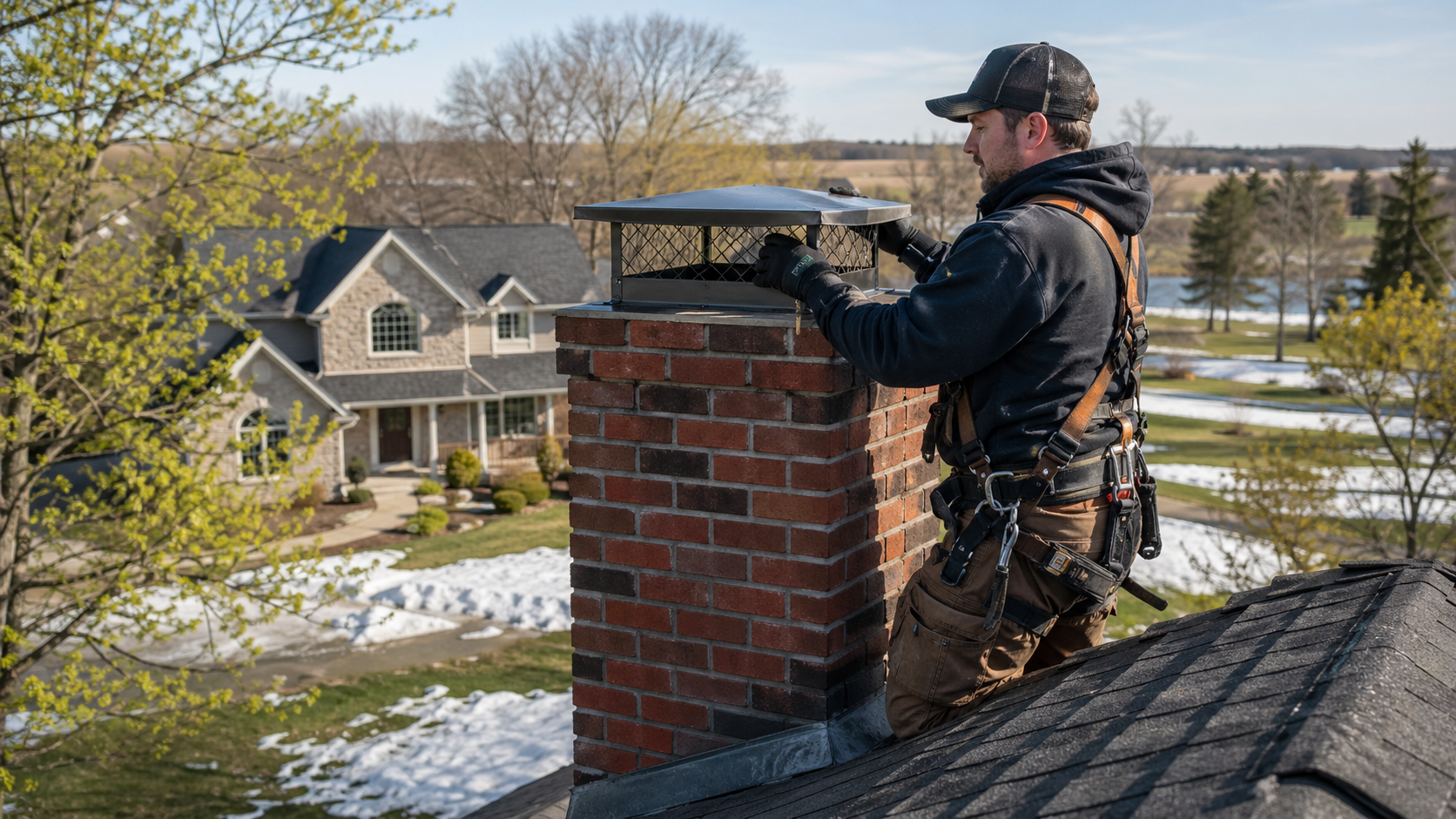
Chimneys are one of the best candidates for masonry sealing because they absorb rain, snow, and ice from every direction. If the crown, flashing, cap, or mortar joints are failing, sealing alone will not be enough—but after repairs, a breathable sealant can add valuable protection.
For chimney-related issues, connect this blog to chimney repair services.
Brick steps and stoops
Steps take heat, water, salt residue, foot traffic, and freeze-thaw stress. If mortar joints are weak, summer is the time to repair and seal them before winter makes the damage worse.
Foundation masonry
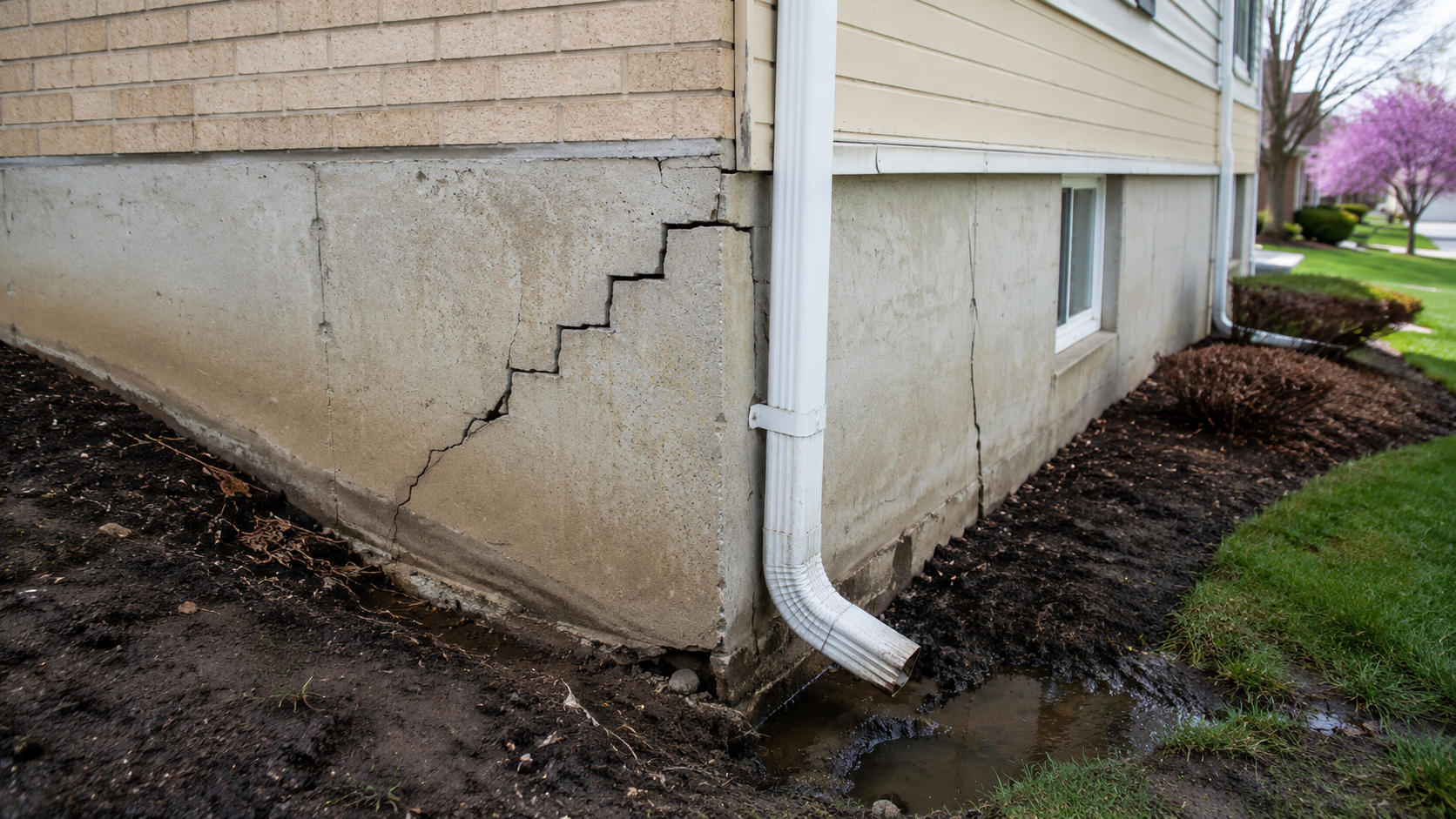
Concrete block, stone, and brick foundation areas can absorb moisture from rain splashback and poor grading. If water is getting into the basement, you may need more than surface sealing. In that case, look at foundation waterproofing and basement waterproofing as part of a larger drainage strategy.
Historic brickwork
Older Southern Wisconsin homes often have softer brick and mortar. These surfaces need a careful approach because the wrong product can trap moisture or damage the original masonry. If the joints are worn, tuckpointing may be the first step before any sealant is considered.
How summer sealing helps prevent winter damage
June and July are ideal months for masonry protection because warm, dry conditions help surfaces dry out before repairs and sealants are applied. That matters because sealing damp masonry can trap moisture inside.
A summer masonry sealing plan helps by:
- Giving masonry time to dry before treatment
- Allowing small cracks and mortar issues to be repaired early
- Reducing water absorption before fall rain and winter snow
- Protecting exposed brick from repeated freeze-thaw cycles
- Extending the life of chimney and foundation repairs
This is proactive maintenance, not a last-minute winter patch.
Local masonry concerns in Milton and Southern Wisconsin
Homes in Southern Wisconsin deal with a tough seasonal pattern: hot summers, humid conditions, heavy rain, freezing winters, snow, ice, and repeated thaw cycles. That combination is hard on brickwork.
Common local masonry problems include:
- Chimney mortar deterioration
- Spalling brick after winter
- Foundation moisture issues after spring and summer storms
- Brick step cracking
- Older mortar joints wearing down on historic homes
- Water intrusion from poor grading or drainage
If your home is in Milton, Janesville, Edgerton, Fort Atkinson, Whitewater, or nearby areas, masonry maintenance should be treated as a yearly inspection item—not something to wait on until brick starts falling apart.
Signs your brickwork may need sealing or repair
Call for a closer look if you notice:
- Brick faces flaking or peeling
- Mortar that crumbles when touched
- White powdery staining on brick
- Dark moisture stains after rain
- Cracks around chimneys or foundation walls
- Gaps between brick and mortar
- Water entering near a fireplace or basement wall
- Previous repairs that are cracking or separating
If the issue involves structural movement, foundation cracking, or basement moisture, start with foundation repair rather than a surface-only solution.
Get brickwork protected before summer ends
Summer is the right season to protect brickwork before moisture and freezing temperatures return. A properly selected masonry sealant can help extend the life of brick, mortar, chimneys, foundations, and steps—but only when the surface is repaired, dry, and suitable for sealing.
Bollerud & Sons Masonry helps homeowners in Milton, WI and surrounding Southern Wisconsin communities repair, restore, and protect masonry before small problems become expensive structural issues.
To schedule an inspection or discuss the right protection plan for your brickwork, visit Contact Bollerud & Sons Masonry.
Related Articles
Related Articles
STAY UP TO DATE
GET PATH'S LATEST
Receive bi-weekly updates from the church, and get a heads up on upcoming events.
Contact Us