

Article
Waterproofing Your Foundation: Why Spring Is the Best Time to Act
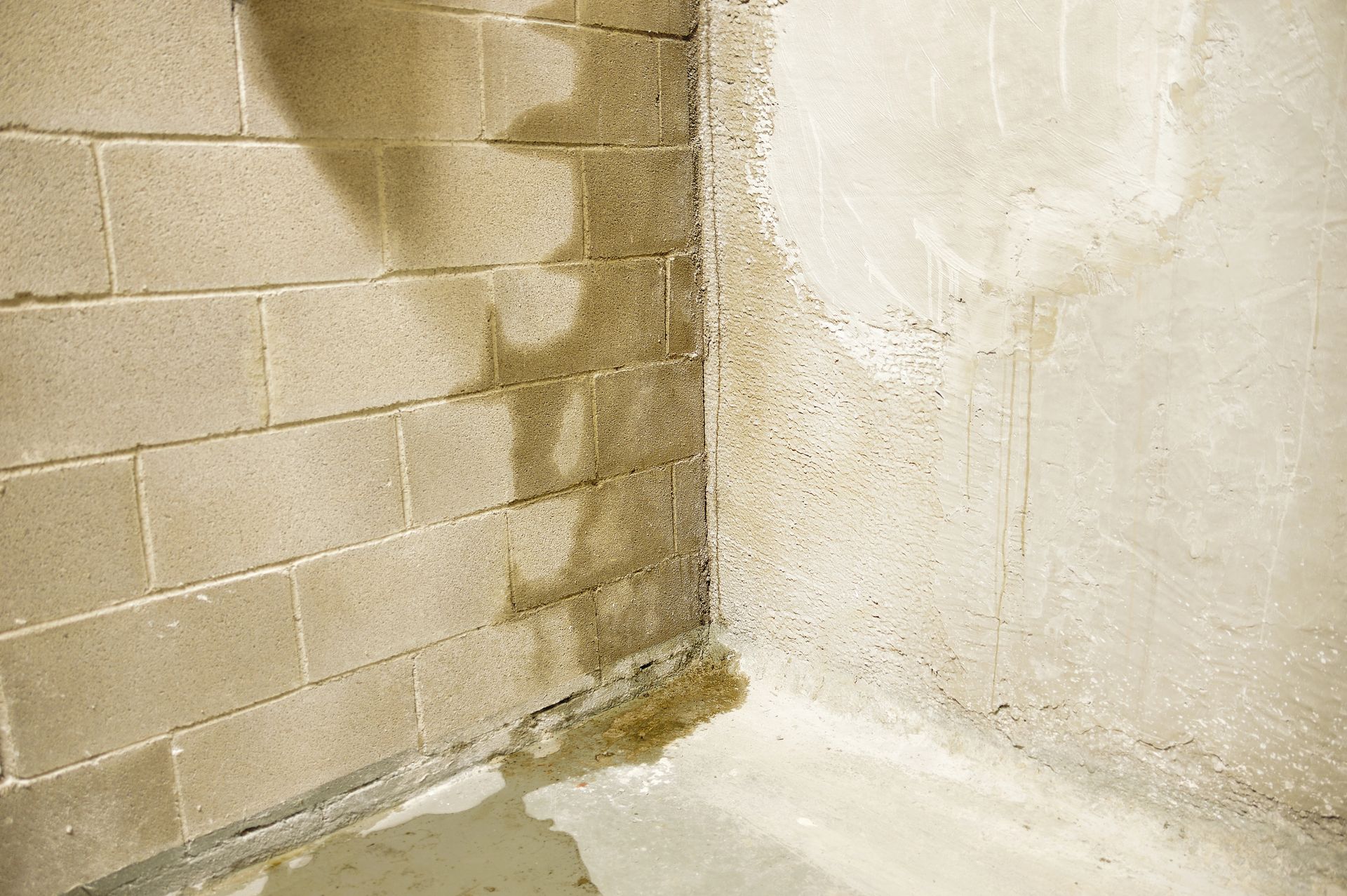
Spring thaw exposes moisture problems fast—fix the drainage now before small leaks turn into structural damage.
In Southern Wisconsin, winter doesn’t leave quietly. When the ground starts to thaw, snowmelt and spring rain hit at the same time—often before your yard, soil, and drainage systems are ready to handle it. That’s why spring is when many homeowners first notice basement dampness, musty odors, new cracks, or water pooling along the foundation.
Here’s the truth: if you wait until summer “because it’ll dry out,” you’re gambling with hidden damage. Spring is the best time to waterproof your foundation because it’s the season that reveals what’s actually happening around your home—and it’s the ideal time to correct grading and drainage before the next heavy rain cycle.
Why spring thaw causes foundation moisture problems
Spring moisture issues usually come from a combination of thawing soil, rising groundwater, and overloaded drainage paths.
1) Saturated soil pushes water toward your foundation
Frozen ground limits absorption. When it thaws, it often turns into a sponge that holds water right against the foundation wall. Hydrostatic pressure builds, and moisture finds the weak points: cracks, mortar joints, window wells, and porous concrete or block.
2) Freeze-thaw opens up cracks and joints
Small cracks from winter movement become entry points once meltwater arrives. Mortar joints in block foundations and older stone foundations can also loosen over time.
3) Gutters and downspouts get overwhelmed
If downspouts dump water too close to the house, spring storms can soak the foundation perimeter in hours.
4) Poor grading becomes obvious
Even slight negative slope (yard pitching toward the house) can funnel runoff directly to the foundation during thaw season.
Signs you should waterproof now (not later)
Spring is the season to pay attention because the symptoms are loud:
- Damp basement walls or wet spots near the floor
- Musty odor or visible mildew
- White chalky residue on concrete/block (efflorescence)
- Water stains after storms
- Peeling paint or bubbling wall coverings
- Puddles near the foundation, especially after rain
- New or worsening cracks in foundation walls
If you’re seeing any of these, the solution is rarely “just run a dehumidifier.” Moisture is coming from somewhere—and you want to stop it at the source.
Waterproofing is often a drainage problem first
A lot of “basement waterproofing” failures happen because people try to seal the inside wall without fixing exterior water management. In most cases, the smartest approach is:
Step 1: Control roof water
Your roof sheds a massive amount of water. If that water lands at the foundation, you’re fighting a losing battle.
Focus on:
- Cleaning gutters
- Fixing sagging sections and leaks
- Extending downspouts well away from the home (often 6–10 feet or to a proper drain line)
- Ensuring splash blocks actually carry water away
Drainage solutions that matter during spring thaw
Here are the drainage upgrades that most directly reduce foundation moisture in spring:
1) Grading correction
This is the simplest and often most powerful fix: make sure the soil slopes away from the foundation. Even a small pitch change can prevent water from collecting at the wall.
What to aim for:
- Positive slope away from the house for the first several feet
- No low spots that trap meltwater next to the foundation
2) Downspout extensions or buried drain lines
If your downspouts discharge near the foundation, spring rain and snowmelt will saturate the soil right where you don’t want it.
Better options:
- Extensions that discharge well away from the foundation
- Solid buried lines that carry water to daylight or a proper drainage point (not just dumped underground next to the wall)
3) Interior drainage + sump system (when water pressure is high)
If you have consistent seepage, water rising at the cove joint (where the wall meets the floor), or seasonal water that overwhelms the foundation perimeter, an interior drainage system with a sump pump can be the correct solution.
This is especially common when:
- The water table rises seasonally
- Exterior excavation isn’t practical
- You need active water management, not just sealing
4) Exterior waterproofing (best long-term when walls are accessible)
Exterior waterproofing is the “stop it before it gets in” approach. It often includes:
- Excavation
- Wall repair (cracks, joints, mortar)
- Waterproof membrane application
- Drain tile/footing drains (when needed)
- Backfill and grading improvements
This is a strong option when you have:
- Persistent seepage
- Foundation wall deterioration
- Visible cracking or leaking through wall faces
Why spring is the best time to waterproof
Spring isn’t just when problems show up—it’s when you can fix them most effectively.
You can diagnose accurately
In dry months, problems hide. In spring, water movement patterns are obvious. That means a contractor can identify the true entry points and the real cause (grading, downspouts, hydrostatic pressure, or wall failure) instead of guessing.
You prevent summer humidity and mold growth
Moisture that starts in spring becomes a mold and air-quality issue by early summer—especially in finished basements or homes with poor ventilation.
You protect your foundation before the next storm season
Wisconsin spring and early summer storms can dump serious rain quickly. Waterproofing and drainage fixes now reduce the chance of emergency water intrusion later.
Don’t confuse “waterproofing” with “covering it up”
A common mistake is painting interior basement walls with “waterproofing” coatings. That may temporarily improve appearance, but it often fails when pressure builds—and it doesn’t fix the cause. In some cases, it can trap moisture and make damage worse.
A real solution typically combines:
- Water management (gutters/downspouts)
- Yard drainage and grading
- Crack/joint repair
- A waterproofing system matched to the foundation type
Get your foundation evaluated before spring moisture causes bigger damage
If you’re in Milton, WI or surrounding Southern Wisconsin communities and you’re noticing dampness, seepage, or pooling water near your home, spring is the right time to act. Fixing drainage early is almost always cheaper than repairing structural damage later.
Related Articles
Related Articles
STAY UP TO DATE
GET PATH'S LATEST
Receive bi-weekly updates from the church, and get a heads up on upcoming events.
Contact Us