

Article
Benefits of Masonry Restoration for Historic Southern Wisconsin Homes
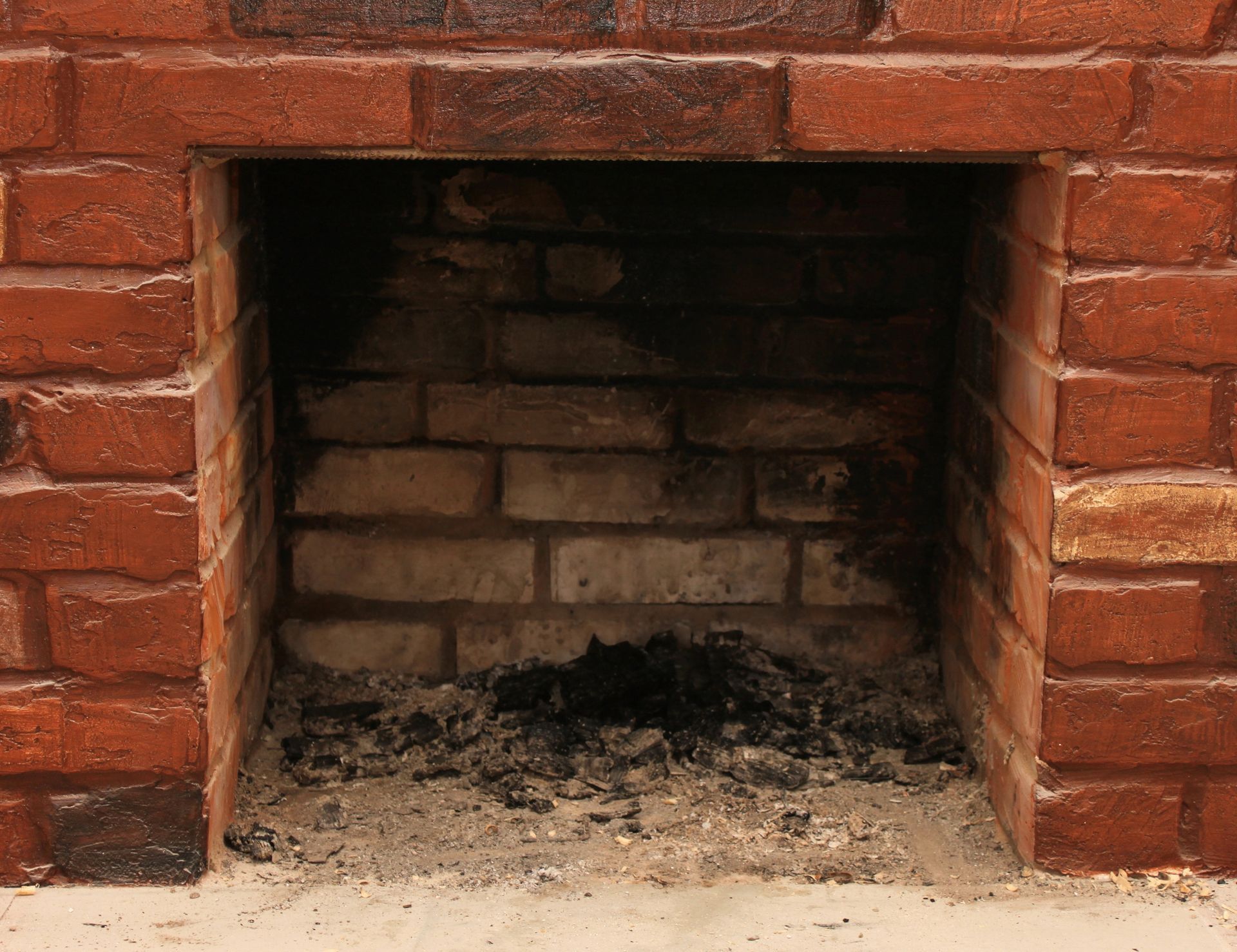
Preserve the craftsmanship, protect the structure, and keep local architectural heritage standing strong.
Southern Wisconsin has no shortage of character—Cream City brick, limestone foundations, classic chimneys, and brick facades that were built to last. But even the toughest masonry will eventually show signs of age: mortar erosion, spalling brick, water intrusion, leaning chimneys, or cracking at foundations and openings.
For homeowners in and around Milton, WI, masonry restoration isn’t just “fixing old brick.” Done correctly, it’s a preservation strategy—one that protects your home’s structure while respecting the original look and craftsmanship that make historic properties worth owning in the first place.
Below are the practical, long-term benefits of masonry restoration for historic Southern Wisconsin homes—and why the right approach matters.
Protects historic character without “modernizing” it away
Historic homes carry details that can’t be replicated with modern materials: brick bond patterns, lime-based mortar profiles, stone textures, and hand-laid workmanship. Restoration focuses on keeping those elements intact.
A proper restoration plan typically prioritizes:
- Matching mortar strength and color to the original (especially important for older, softer brick)
- Preserving original brick and stone whenever possible
- Rebuilding only where materials are too far gone to save
If you’re seeing mortar deterioration, failing joints, or loose brick, tuckpointing (repointing) is often the first and most important step.
Stops water intrusion—the #1 enemy of old masonry
In Southern Wisconsin, freeze-thaw cycles are relentless. When moisture gets into masonry and freezes, it expands and forces the face of brick or stone to break apart (spalling), loosens mortar, and accelerates cracking.
Masonry restoration helps prevent:
- Spalling brick and crumbling stone
- Interior moisture issues and basement seepage
- Chimney leaks and attic staining
- Progressive foundation damage from ongoing saturation
If your foundation is showing cracking, bowing, or mortar loss, restoration can be a major part of preventing more expensive structural work later.
Stabilizes structural integrity—quietly and effectively
Historic homes often “settle” over time. Small shifts become larger issues when water and failing mortar join the party. Restoration strengthens the building envelope so the structure behaves the way it should.
Key structural wins include:
- Restoring load transfer by renewing mortar joints
- Reinforcing weakened walls and chimney stacks
- Repairing displaced brick/stone so movement doesn’t continue
Chimneys are a common failure point, especially when the crown, flashing, or mortar joints have aged out.
Extends the life of original materials (and avoids unnecessary rebuilds)
Here’s the blunt truth: replacing historic masonry is expensive—and it often looks “off” if it’s not done with period-appropriate materials and techniques. Restoration is usually the smarter move when the underlying structure is sound.
Benefits include:
- Avoiding full tear-outs when targeted repair is enough
- Preserving original brick and stone that can’t be easily matched today
- Reducing the risk of incompatible materials causing future damage
For localized damage—cracked brick, deteriorated joints, or spalling—targeted restoration can save the wall without rebuilding it.
Improves energy performance without changing the home’s look
Historic homes can be drafty, but the solution isn’t always new siding or heavy exterior alterations. When masonry joints fail, air and moisture move more freely through the wall system.
Restoration helps by:
- Sealing gaps where mortar has receded
- Reducing air infiltration around chimneys and exterior walls
- Improving how the masonry handles moisture (critical for older wall assemblies)
This is preservation-friendly performance: better comfort, less moisture risk, and fewer cosmetic changes.
Keeps your home safe—especially around chimneys and foundations
Loose brick, failing mortar, and leaning masonry elements aren’t just “cosmetic.” They can become hazards—particularly with chimneys, porch piers, retaining walls, and foundation areas.
Restoration reduces risks like:
- Falling brick or stone from deteriorated chimneys
- Structural weakening at corners or openings
- Worsening cracks that lead to larger repairs
If you suspect movement, cracking, or deterioration, the sooner it’s assessed, the more options you have.
Maintains (and often increases) property value through authentic preservation
Buyers who want historic homes want authenticity. A restored masonry exterior signals that the home has been cared for responsibly—and that key structural systems aren’t being ignored.
Restoration supports value by:
- Keeping curb appeal historically consistent
- Preventing visible deterioration that scares buyers
- Documenting responsible upkeep of a premium home style
If you’re planning to sell in the next few years, masonry restoration is one of the clearest “this home was maintained” signals you can invest in.
Why “historic” restoration needs a careful hand
Not all mortar and repair methods are equal. Many older homes used softer brick and lime-based mortar. Using an overly hard modern mortar can trap moisture and cause brick faces to fail faster. The goal is compatibility—materials that work with the building, not against it.
For historic Southern Wisconsin homes, restoration should be approached as preservation engineering, not just a cosmetic patch.
Get an expert masonry restoration assessment in Milton, WI
If your historic home has crumbling mortar, spalling brick, moisture issues, or chimney deterioration, masonry restoration can protect the structure and preserve the architectural heritage that makes your property special.
Related Articles
Related Articles
STAY UP TO DATE
GET PATH'S LATEST
Receive bi-weekly updates from the church, and get a heads up on upcoming events.
Contact Us